
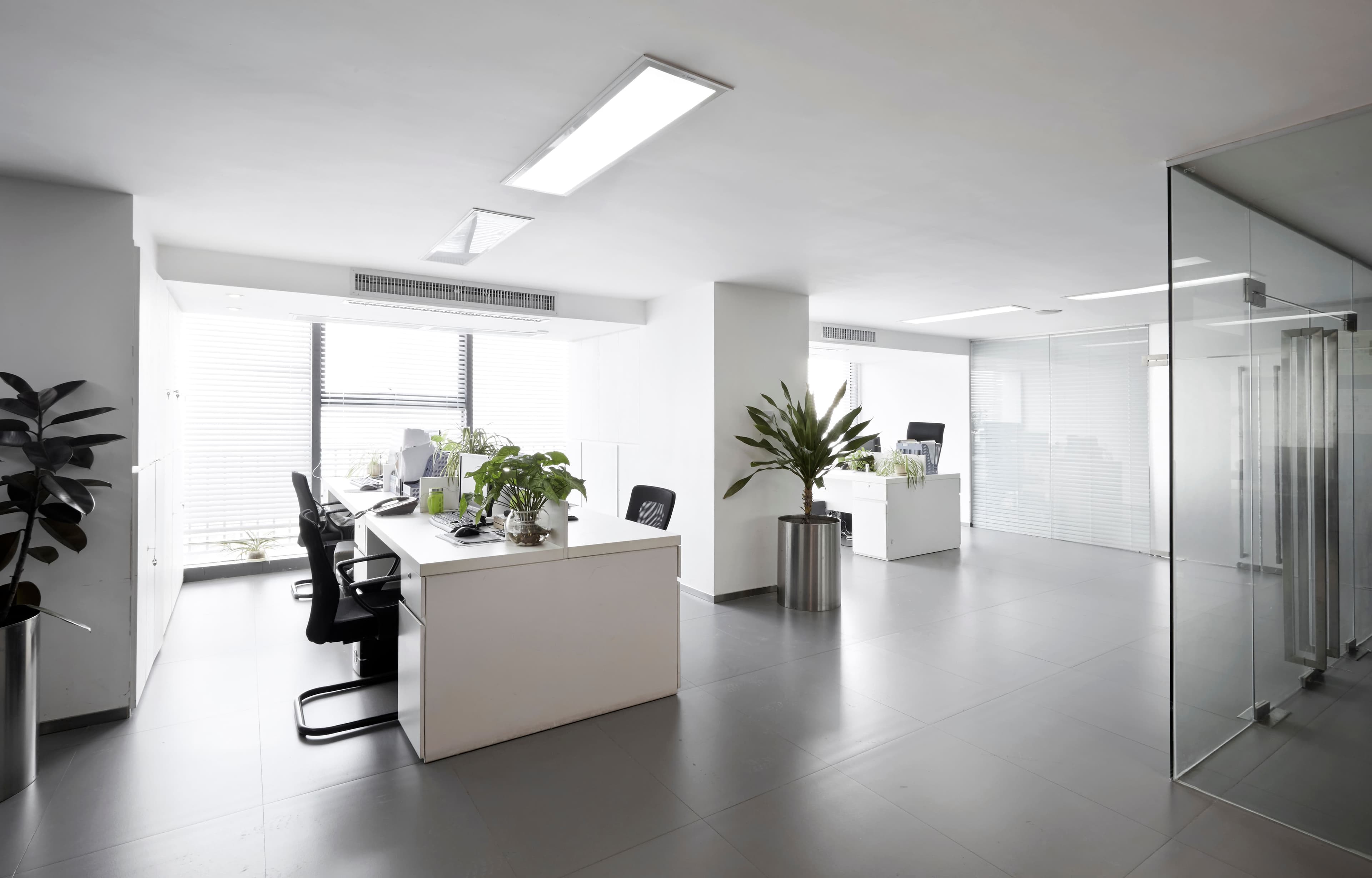

Shopping Center Cleaning Services in Sacramento
Shopping centers with constant foot traffic in Sacramento need cleaning services built around how the property is actually used. Entrances, shared restrooms, common corridors, trash stations, and storefront glass often need attention during operating hours, while full floor care and detailed cleaning are better handled after closing. Effective shopping center cleaning services combine those touch-ups with scheduled janitorial work and periodic specialty cleaning.
Custom Cleaning Services works with Sacramento offices, managed properties, shared areas, and commercial facilities that need dependable service and clear follow-through. For a shopping center, that means setting different frequencies for different zones and verifying that the work was completed instead of relying on one general checklist.
Why Shopping Center Cleaning Has to Follow Foot Traffic
A shopping center doesn’t get dirty at an even rate. The entrance nearest a grocery store may collect far more soil than a quieter side entrance. A restroom near restaurants may need several checks during the day, while an administrative hallway may only need routine evening service. Weather, deliveries, promotions, and seasonal shopping can change the workload without changing the building’s square footage.
That is why a quote based only on total floor area rarely tells the whole story. A useful plan considers traffic patterns, operating hours, tenant mix, exterior exposure, flooring materials, restroom use, and the property manager’s appearance standards.
What Shopping Center Cleaning Services Should Cover
The exact scope depends on which areas belong to the shopping center and which are maintained by individual tenants. Before service begins, the agreement should clearly identify common areas, tenant spaces, exterior zones, service corridors, restrooms, management offices, and excluded areas.
Entrances, Walkways, and Storefront Glass
Entrances receive some of the heaviest soil loads. Mats fill with grit, glass collects fingerprints, and debris gathers near doors and curb lines. These areas usually need checks during operating hours along with more detailed cleaning after closing.
A complete plan may combine routine floor care with scheduled commercial window cleaning for entry doors, storefront glass, and other shared surfaces. Exterior concrete, sidewalks, and high-use approaches may also need periodic pressure washing.
Shared Restrooms
Restrooms can look acceptable early in the day and deteriorate quickly once traffic increases. A nightly service alone may not be enough for a busy center. The plan should state how often restrooms are checked, which fixtures and touchpoints are cleaned, how trash is handled, and who receives notice when a dispenser or fixture needs attention.
Custom Cleaning Services lists restroom sanitation as a dedicated commercial service. A defined restroom scope also makes it easier to determine whether a recurring problem comes from cleaning frequency, supply management, facility damage, or unusually heavy use.
Hard Floors and Carpeted Areas
Floor care should account for the material, tracked-in soil, and activity in each section of the property. Dry debris should be removed before it is ground into flooring or carried farther into the building. Wet cleaning should be scheduled and marked carefully so customer routes remain usable.
OSHA’s walking-working surface requirements state that passageways and walking surfaces in workplaces must be kept clean, orderly, sanitary, and as dry as feasible. Documented floor checks and a clear process for reporting spills support both property appearance and safer daily operations.
Carpeted corridors and office areas also need periodic deeper service. Routine vacuuming removes loose soil, but visible traffic lanes and embedded dirt call for scheduled commercial carpet cleaning.
Waste Stations and Shared Gathering Areas
Trash volume often changes throughout the day, especially near food businesses, seating areas, and major entrances. The scope should identify which receptacles are included, when they are checked, where waste is transferred, and how overflow is reported.
Shared seating areas need similar clarity. The crew should know whether its responsibility includes furniture, touchpoints, spills, and nearby flooring.
Build the Schedule Around the Property’s Busiest Hours
Shopping center cleaning services work best when the schedule separates visible daytime maintenance from full after-hours cleaning.
During open hours, attention belongs on the areas that change fastest, including spills, entry debris, restrooms, full waste containers, and door glass. After closing, the crew has better access for floor care, detailed restroom work, waste removal, and tasks that require equipment or temporary access restrictions.
Periodic work should be placed on its own schedule. Carpet extraction, pressure washing, detailed glass cleaning, and restorative floor care should not be left until the property looks overdue. Setting those intervals in advance makes budgeting easier and reduces last-minute requests.
The schedule should also allow for changing conditions. A holiday weekend, tenant event, rainy day, or construction project may create a temporary need for added service. Property managers should know how changes are requested, approved, and documented.
Clear Scope Boundaries Prevent Missed Work
Shopping centers often involve several responsible parties. The property manager may oversee common areas, tenants may clean inside their suites, and separate vendors may handle landscaping, waste hauling, security, or maintenance.
A commercial cleaning agreement should state:
- Which interior and exterior areas are included
- Whether tenant suites are part of the service
- The expected frequency for each high-traffic zone
- Which supplies are handled by the property
- How spills, damage, and maintenance concerns are reported
- Which periodic services require separate scheduling
- Who is authorized to request additional work
This detail gives inspections a clear standard. Instead of debating whether the center “looks clean,” both sides can review whether the agreed tasks were completed in the agreed areas.
Accountability Matters as Much as Frequency
More visits do not automatically produce a better result. The work still needs supervision, documentation, and a clear way to correct recurring problems.
Custom Cleaning Services describes a system that includes inspections, work orders, completed-work photos, customer follow-up, employee clock-in and clock-out tracking, and direct communication. Those controls are useful in multi-tenant properties, where a missed restroom check or neglected entrance may affect several businesses before the property manager hears about it.
Quality control should show who checked the work, how missed tasks are recorded, and when a reported issue was addressed. Specific reporting makes problems easier to resolve. “The east entrance mats were saturated at 2 p.m.” is far more actionable than “the property is dirty.”
What to Ask Before Choosing a Cleaning Company
Before approving a proposal, ask the provider to walk the property during a representative operating period. A quiet morning walkthrough may not reveal the conditions present after lunch, during evening shopping, or on a busy weekend.
Review known trouble spots, then ask how the company verifies service after the contract begins. The proposal should define the work, while inspections, documented follow-up, and direct communication should show whether it was completed. The scope should also be practical to revise as tenants, traffic, or common areas change.

Shopping Center Cleaning Services in Sacramento
For busy shopping centers, consistency comes from matching the schedule to real traffic, defining responsibility for every shared area, and checking the work after each service period. Daytime attention keeps fast-changing areas under control. After-hours service handles the detailed work. Periodic cleaning should be scheduled before buildup becomes a property-wide problem.
Custom Cleaning Services provides commercial janitorial services for Sacramento-area commercial properties, offices, facilities, and shared spaces. The company also handles carpet cleaning, windows, pressure washing, restroom sanitation, and light building-maintenance support.
Property managers who need a plan for a shopping center or other high-traffic facility can request a quote with details about the property, preferred schedule, and services under consideration. A site-specific scope gives both the manager and the cleaning team a clear standard from the first day of service.

 Local Commercial Cleaning